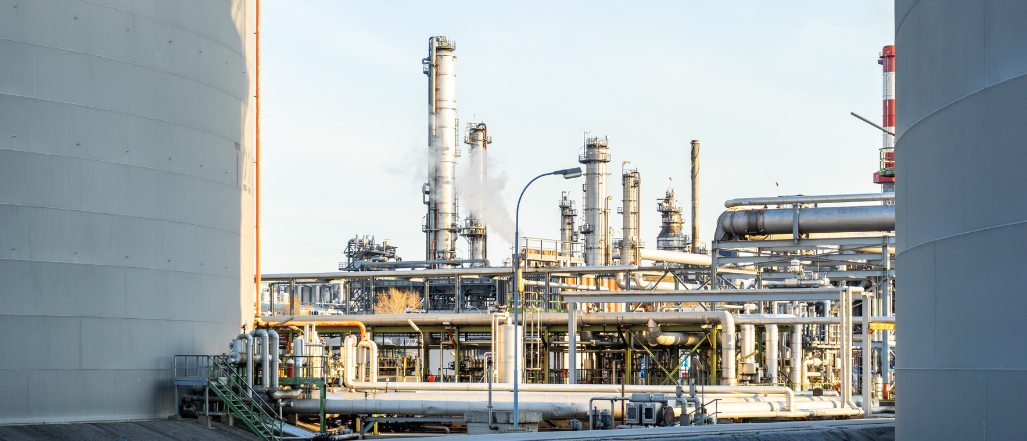
Environmental problems are an ever-present risk for energy providers. Whether it’s a small accidental spill of propane when filling a homeowner’s tank or a large leak caused by a problem at a major drilling rig, oil and gas companies know that it can cost a lot of money to clean up a spill and remediate a site.
Traditional energy providers aren’t alone in this concern. Renewable energy providers also have pollution liability risks, from fires at battery storage facilities to the potential for water problems at hydroelectric sites. Regardless of its origin, energy generation and delivery come with associated pollution risks to employees, customers, and other third parties.
Protect your business
What is pollution liability insurance?
Pollution liability insurance provides protection to businesses in the event of an accident or spill that results in injury or damage to a third party.
The use of the term pollution should be considered broadly, as even smaller accidents, releases, or spills can be considered pollutants. In other words, while a major oil leak into a waterway would clearly be considered pollution, a much smaller spill in a localized area might also cause sufficient damage to wildlife or property that it may also be considered pollution.
Depending on the type of energy business you have, there may be specialized types of pollution liability coverage needed, such as storage tank liability coverage.
What does pollution liability insurance cover?
Pollution liability insurance is a stand-alone policy designed to cover expenses that your regular commercial general liability insurance does not cover.
Years ago, general liability insurance used to cover accidents or spills that would be categorized as pollution, but cleanup standards have changed. The more that has been learned about long-term effects, the more costly remediating a site has become, and that means increased risk. To cover that increased risk, pollution liability coverage is now a separate policy.
A pollution liability policy will typically cover expenses such as legal fees associated with an accident, property damage to a third party, non-employee bodily harm, cleanup costs, and business interruption, in the event that you have to cease operations during cleanup and remediation.
Many pollution liability insurance policies also cover the cost of crisis response. This can be important if a pollution event requires notification of the public and communicating with local officials and media outlets.
Energy companies will also likely need transportation liability coverage. Whether you are transporting fuels such as oil or natural gas, or moving solar panels or wind turbine blades and components, transport introduces elements that increase the risk of accidents.
What businesses should have pollution liability coverage?
Energy companies, especially fossil fuel providers, do represent a considerable risk for spills. Any company that is in the line from excavation and extraction, to refinement, to customer delivery will need pollution liability coverage.
Companies also need to consider the pollution risks posed by and to contractors, as most energy delivery companies depend heavily on contracted work. Pollution liability is not just about how the general public may be affected by an accident or spill. In many cases, an industrial accident that triggers a pollution claim may not even impact the public directly, instead involving two or more businesses, such as a spill at a refinery when fuel is being transferred from a holding tank to a delivery vehicle, for example.
Alternative energy sources that are generally seen as “clean” resources can also have pollution risks—even some that are not directly part of the energy production process. A large-scale solar farm may use pesticides to keep weeds on the property in check. A pesticide spill of sufficient quantity could affect a neighboring property or a nearby water source.
How much does pollution liability coverage cost?
As with most forms of commercial insurance, there are many factors that contribute to premium cost. Energy companies, particularly those that work with fossil fuels regularly, such as propane distributors and heating oil delivery, will have that factored into premiums.
Renewable energy companies also have pollution risks. An accident, such as a fire at a renewable energy facility, can release many toxic particles into the air, and putting the fire out can mean many of the chemicals end up in the land or even seep into groundwater. The construction of a facility and the types of materials used can pose a risk and will be factored into premium costs.
The size of the facility, number of employees, the location, and type of energy produced will all contribute to the premium cost.
If you want to learn more about pollution liability coverage for your oil, gas, or renewable energy company, contact the experts at Rate Insurance. Whether you own a small solar installation firm or a propane delivery service that services thousands of homes, they can help you find the right coverage to protect your business.
Get your free consultation
Disclaimer:
All information provided in this publication is for informational and educational purposes only, and in no way is any of the content contained herein to be construed as financial, investment, or legal advice or instruction. Rate Insurance does not guarantee the quality, accuracy, completeness or timelines of the information in this publication. While efforts are made to verify the information provided, the information should not be assumed to be error free. Some information in the publication may have been provided by third parties and has not necessarily been verified by Rate Insurance. Rate Insurance, its affiliates and subsidiaries do not assume any liability for the information contained herein, be it direct, indirect, consequential, special, or exemplary, or other damages whatsoever and howsoever caused, arising out of or in connection with the use of this publication or in reliance on the information, including any personal or pecuniary loss, whether the action is in contract, tort (including negligence) or other tortious action.