Should I buy a fixer-upper?
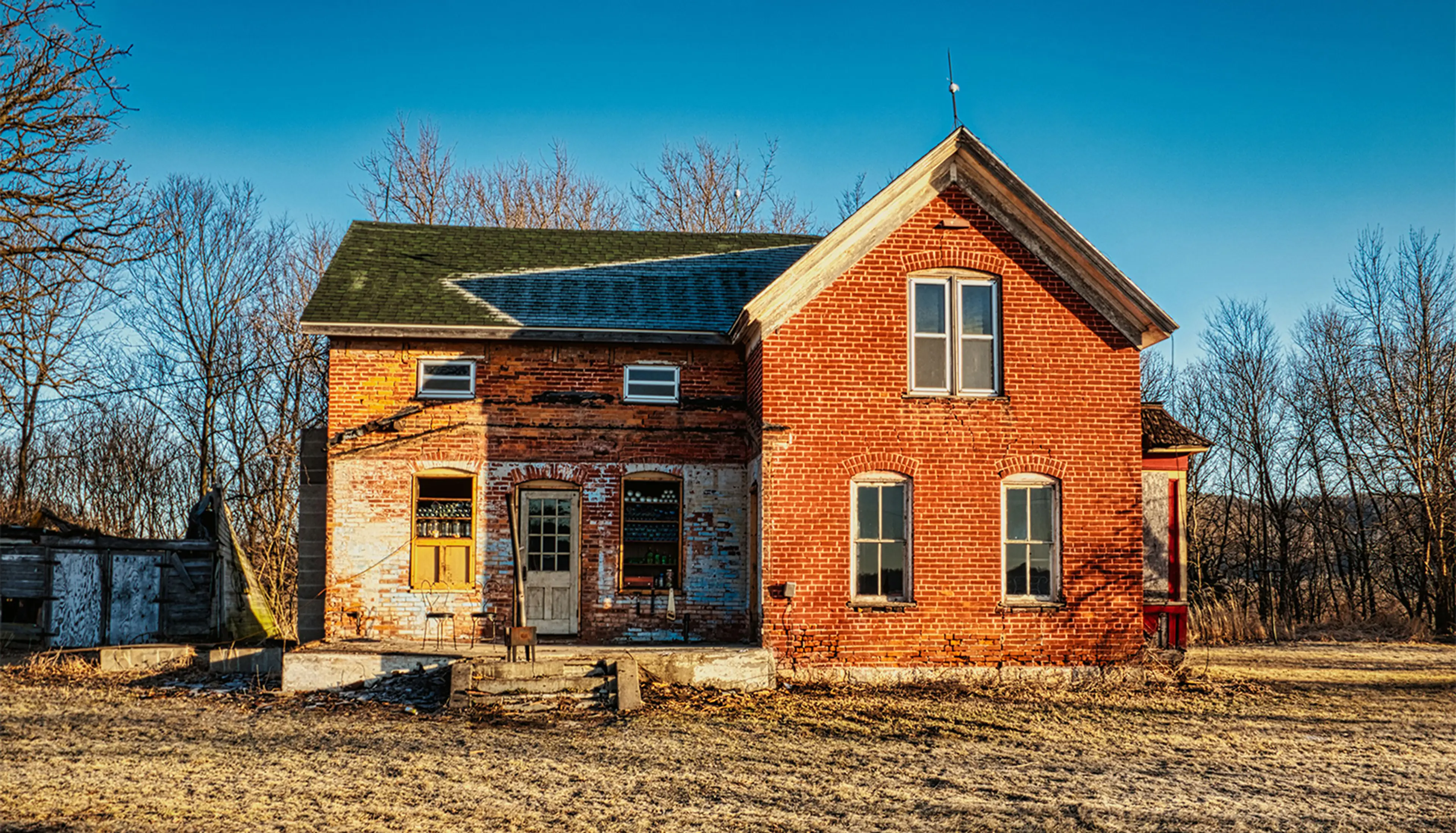
After searching for the right place to grow your roots, you finally find a home in a neighborhood you love. The price fits comfortably within your budget. But there’s one catch that’s making you raise an eyebrow: the place needs some work.
This is a situation many homebuyers find themselves in. Maybe the kitchen is a flashback to another decade or the floors have seen better days. Or perhaps you’re envisioning a larger renovation to make the house feel like home.
Buying a fixer-upper could allow you to purchase a property at a lower price, while giving you the chance to make the space your own. However, renovations and improvements add another layer of costs, decisions and potential surprises to the homebuying process.
So should you buy that fixer-upper or look for someplace that’s more ready to go? Before you start mentally knocking down walls, here are a few helpful points to consider.
What is a fixer-upper?
A fixer-upper is a home that needs repairs, renovations or updates. In some cases, it’s only cosmetic upgrades, such as replacing flooring and painting walls. Other times, there’s more significant work to be done involving the roof, electrical systems, plumbing or structure.
While both instances fall under the umbrella of a fixer-upper, a home with dated finishes is very different from a project that involves changing the layout or making major repairs.
Understanding what exactly you’re signing up for is one of the first things you can do when deciding whether a home’s potential is worth the work, time and money required to reach the finish line.
What are the benefits of buying a fixer-upper?
A fixer-upper brings certain upsides that a turnkey home may not. Here are a few examples:
- You pay less upfront: When a home needs work, you often see lower asking prices than comparable updated properties in the same area.
- You can customize it: Instead of settling for someone else’s renovation choices, you get the chance to choose the finishes and improvements that fit your tastes.
- You could get more options: If move-in-ready properties in your target neighborhood aren’t within your budget, considering homes that need some work could expand your home search.
- You could even add value: While there’s no guarantee that you’ll recoup everything you spend, the right renovations may even potentially increase the home’s value over time.
What should you consider before buying a fixer-upper?
Start by looking beyond the listing price. Consider the estimated cost of renovations, the possibility of unexpected repairs being added to the list and whether you’ll need to stay somewhere temporarily while the work is complete. As a best practice, always leave room in your budget for the unexpected. Once renovations begin, you’ll want to be ready for twists and turns.
Timing is an important consideration as well. How quickly do you need to move in? And how comfortable are you managing contractors, timelines and project decisions? If you don’t have the bandwidth because it's a busy season at work, it may not be the ideal time to embark on a larger renovation. But if your calendar is relatively light and flexible, it could be a great moment to kick things off.
Lastly, consider the scope of work. Cosmetic updates could be pretty straightforward but structural issues or projects that involve the home’s major systems could be more complicated — and more expensive.
Get an inspection before you commit
If you can’t stop thinking about that charming older home, be sure to dig deeper before you go all-in. After all, there may be more going on than some dated wallpaper.
A professional home inspection could help you identify potential problems before you buy. Depending on the property, you may also want to get specialists out there who can take a closer look at the foundation, roof or electrical system.
We also recommend pulling quotes from contractors as a quick reality check. Official estimates give you an idea of what the work could cost, which helps you evaluate the home based on the bigger financial picture rather than its purchase price alone.
6 ways to finance a fixer-upper
Buying the home is only part of the equation. You also need to plan for paying for the work.
The good news is, Rate offers renovation loans that could combine the cost of purchasing a home and making eligible improvements into one mortgage. Depending on your qualifications and renovation plans, your options could include the following:
- FHA 203(k) loans: Offered by the Department of Housing and Urban Development (HUD), FHA 203(k) are fixed-rate loans that cover the purchase or refinance and eligible renovations.1 Rate offers Limited and Standard 203(k) options, with down payments starting at 3.5%.
- HomeStyle or CHOICERenovation Mortgage: These conventional renovation loans from Fannie Mae and Freddie Mac combine your home purchase and improvements, with down payments as low as 3%.
- VA renovation loans: If you’re an eligible Veteran or active-duty service member, you may be able to finance a home purchase and renovations together with a 0% down payment.2
Additionally, if you already own a home and have built up equity, you may be able to use a Home Equity Line of Credit (HELOC) or a cash-out refinance to access funds for renovations. Both let you tap into home equity but they work differently, so it’s worth comparing your options with a Loan Officer to see what path best fits your plans.
Is a fixer-upper right for you?
Every homebuyer is unique and every journey to the closing table is too. There isn’t one answer, but a fixer-upper could be worth considering in the following situations:
- You found the right location.
- You have room in your budget for the renovations.
- You’re comfortable (or even excited) about taking on a home improvement project.
- You have some extra time and funds allotted for unexpected delays and expenses.
On the other hand, a move-in-ready home may make more sense if you need to move quickly or prefer predictable costs from the start.
In any case, look at the whole picture to determine your best move. The home’s price, its condition, your renovation plans, your timeline and how you’ll finance it all play a role in your decision-making process.
A house that needs work can come with plenty of unknowns. However, your financing doesn’t have to. Get in touch with a Loan Officer to explore your options and take the next step with more confidence.
1Credit score and down payment requirements higher for 2-4 unit, investment properties and renovation products.
2 Rate is a private corporation organized under the laws of the State of Delaware. It has no affiliation with the US Department of Housing and Urban Development, the US Department of Veterans Affairs, the Nevada Department of Veterans Services, the US Department of Agriculture, or any other government agency. No compensation can be received for advising or assisting another person with a matter relating to veterans’ benefits except as authorized under Title 38 of the United States Code.