How to buy a home in Milwaukee
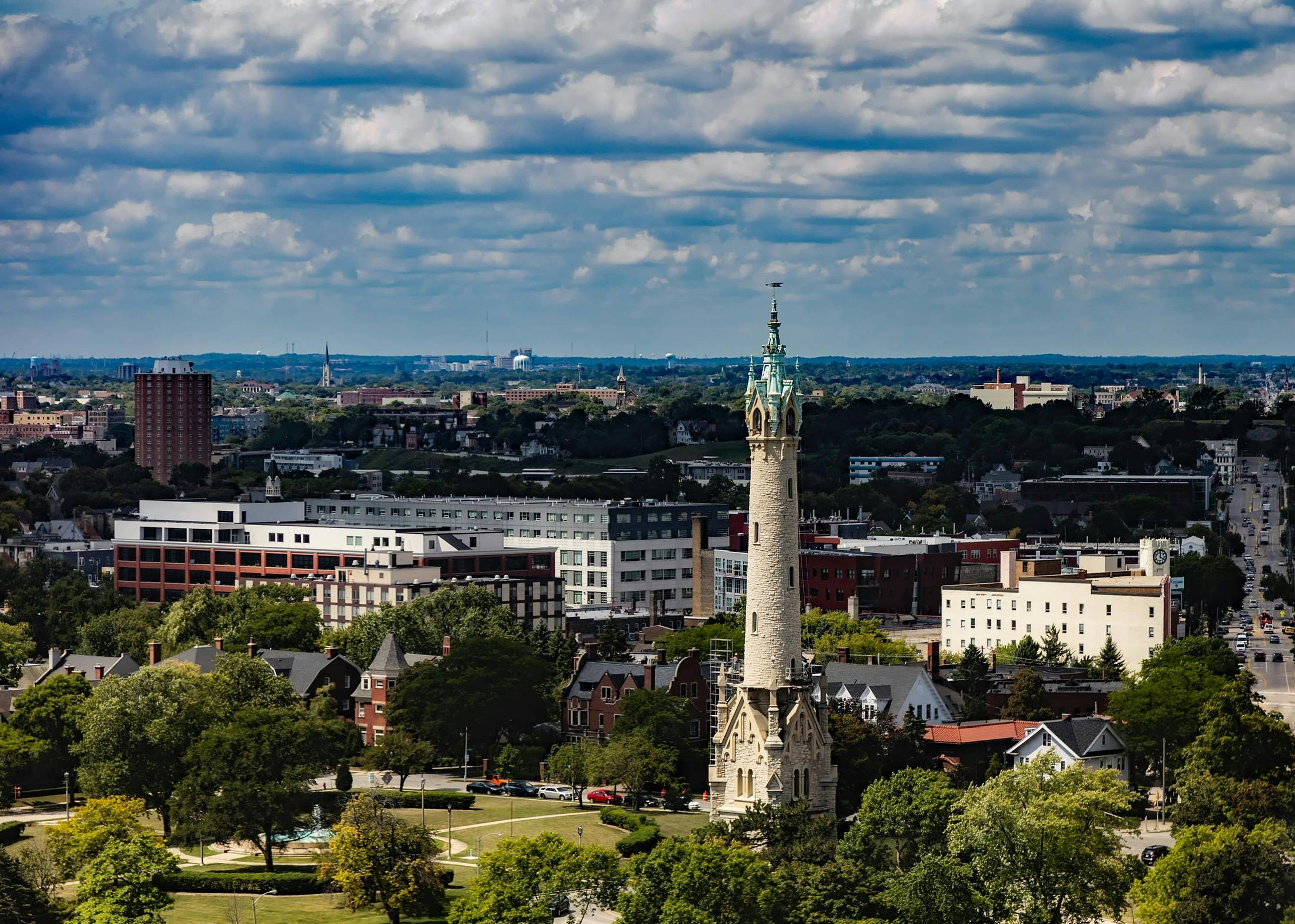
With its vibrant arts scene and the largest music festival in the world, over half a million people have chosen to make Milwaukee their home. An affordable major city located right on Lake Michigan, Milwaukee offers its residents a unique blend of urban and suburban living.
If you are considering buying a home in Milwaukee, you will want to know the pros and cons of living in the city. Learning what it costs to buy a home there, and which neighborhoods are most affordable will also be helpful. In addition, you may want to better understand the cost of moving and how to start the homebuying process.
If you already know that Milwaukee is the right place for you, start looking at homes in Milwaukee today!
What are the pros and cons of living in Milwaukee?
A thriving Midwestern city covering almost 100 square miles, Condé Nast Travelers have rated Milwaukee as the third best big city in the U.S. for the second year in a row. Of course, living in a major city, like Milwaukee, isn’t for everyone. Let us take a look at some of the benefits and considerations that come with living in Milwaukee.
Benefits of Milwaukee living
With their lower cost of living, convenience to another large U.S. city, diverse population, food and drink, Milwaukee offers its residents a one-of-a-kind living experience.
While the cost of living in Milwaukee is 2% above the national average, it is significantly lower than the rest of the state and much more affordable than other major cities. The cost of living in Milwaukee is almost 40% cheaper than Chicago.
Speaking of Chicago, Milwaukee is only about 90 miles northwest of the Windy City. Making it easy to take a day trip and enjoy all the benefits of Chicago without having the significantly higher living cost.
Milwaukee has a diverse population, with a large number of German and Polish residents. Milwaukee holds the largest Polish festival in American and multiple German festivals every year. Other cultures, such as Italian, Mexican and Irish, also hold festivals annually.
If you are a lover of cheese, Wisconsin is the dairy capital of the country. The state, nicknamed “America’s Dairyland,” makes more cheese than any other state. All of which is available in Milwaukee.
If you are looking for something to pair your cheese with and are of age, Milwaukee is famous for its breweries. Three of the country’s largest breweries are in Milwaukee, along with more than 30 microbreweries.
Aspects to consider
While Milwaukee has a lot of benefits that draw homebuyers to the Midwest, there are some aspects you might want to consider when debating the move there. Some of these include the weather, traveling around the city and property taxes.
Like other Midwest cities sitting on Lake Michigan, winters can be cold and harsh in Milwaukee. The cold season typically lasts from November to March. If you aren’t used to driving in the snow, Milwaukee may be an adjustment as residents get a little over 50 inches of snow annually.
With lots of snow and rain in the city, roads in Milwaukee can constantly feel like they are falling apart during the winter. This tends to lead to road construction during the warmer weather, making some roads difficult to drive on all year long.
If you would prefer not to drive around the city, Milwaukee is limited when it comes to public transportation. There are no subways or railways around Milwaukee, like other big cities have. The main public transit option is buses, which will have the same traffic and construction as driving yourself will.
One major concern homebuyers have when considering the move to Milwaukee is the property taxes. Milwaukee has the highest property taxes in the state of Wisconsin, which has the sixth highest property taxes in the nation.
What does it cost to buy a home in Milwaukee?
The median selling price of homes in Milwaukee is $240,000, as of August 2025. The listing price of homes in the city has increased 6.9% from the same time last year. Of course, these numbers can vary depending on where you are looking to buy a home in the city. While Milwaukee does offer affordable homes, you may find properties listed for $4 million or more.
These prices do not include any closing costs when purchasing a home. Closing costs are currently 2% - 5% of the home’s price.
Which areas and neighborhoods are more affordable?
There is no universally agreed upon number of neighborhoods in Milwaukee. Urban Anthropology Inc. claims that there are 190 distinct neighborhoods in all the city, which can be a lot to consider when looking to move there.
So, let’s look at a few of the most affordable neighborhoods in Milwaukee as of 2025 and what makes them so enjoyable to homeowners.
Bay View: With access to Lake Michigan and beautiful parks, Bay View is a perfect place for outdoor enthusiasts looking to live in a major city. If you are looking for other activities here, there is an incredible culinary scene with countless bars, restaurants and breweries. The median price of homes sold in Bay View is $350,000.
Brookfield: A suburban feel twenty minutes from downtown, Brookfield offers homeowners and residents a variety of outdoor, dining and cultural experiences. The median price of homes sold in Brookfield is $498,500.
Jackson Park: A mostly residential neighborhood and home to the south-side of Milwaukee’s largest park, covering 113 acres. With farmer’s markets, a Fourth of July celebration and public movies, Jackson Park prides itself on their sense of community. The median price of homes sold in Jackson Park is $275,000.
Harambee: Surrounded by notable neighborhoods, Harambee is a diverse and vibrant area with a rich history. Originally settled by German farmers, Harambee is now home to one of the largest Juneteenth Day celebrations in the country. The median price of homes sold in Harambee is $210,000.
Burnham Park: Home to six Frank Llyod Wright designed houses, two major parks and numerous religious organizations, Burnham Park is ideal for anyone looking to have a connection to the area where they live. The median price of homes sold in Burnham Park is $226,000.
What does it cost to move to Milwaukee?
Depending on where you are hoping to live and the mortgage you qualify for will determine how much moving to Milwaukee might cost you.
If you are looking to buy a home in the Lower East Side area to be closer to the thriving arts scene, you will be paying more than most other neighborhoods.
The down payment requirements you will need to meet before moving into a home could vary based on the kind of mortgage you qualify for. Some will have down payment options as low as 3%, while others will have down payment options as high as 20%. To find out what mortgage you qualify for, reach out to a trusted lender today.
It is important to note that due to high population density, USDA loans might not be eligible in Milwaukee.
How can I start the homebuying process in Milwaukee?
Start the homebuying process in Milwaukee by connecting with a professional mortgage lender in the area. Talking with a lender even before looking for a home can greatly smooth the homebuying process.
Mortgage lenders will be able to tell you the type of loan you qualify for, what your rates will be and how much your monthly payments will look like. Starting your homebuying process this way can not only let you start planning out your financial future but also show you how much your loan will be for. After meeting with a lender, you will be ready to start searching for a home in Milwaukee!
Applicant subject to credit and underwriting approval. Not all applicants will be approved for financing. Receipt of application does not represent an approval for financing or interest rate guarantee. Refinancing your mortgage may increase costs over the term of your loan. Restrictions may apply.
Rate is a private corporation organized under the laws of the State of Delaware. It has no affiliation with the US Department of Housing and Urban Development, the US Department of Veterans Affairs, the Nevada Department of Veterans Services, the US Department of Agriculture, or any other government agency. No compensation can be received for advising or assisting another person with a matter relating to veterans’ benefits except as authorized under Title 38 of the United States Code.