How to buy a home in New York City
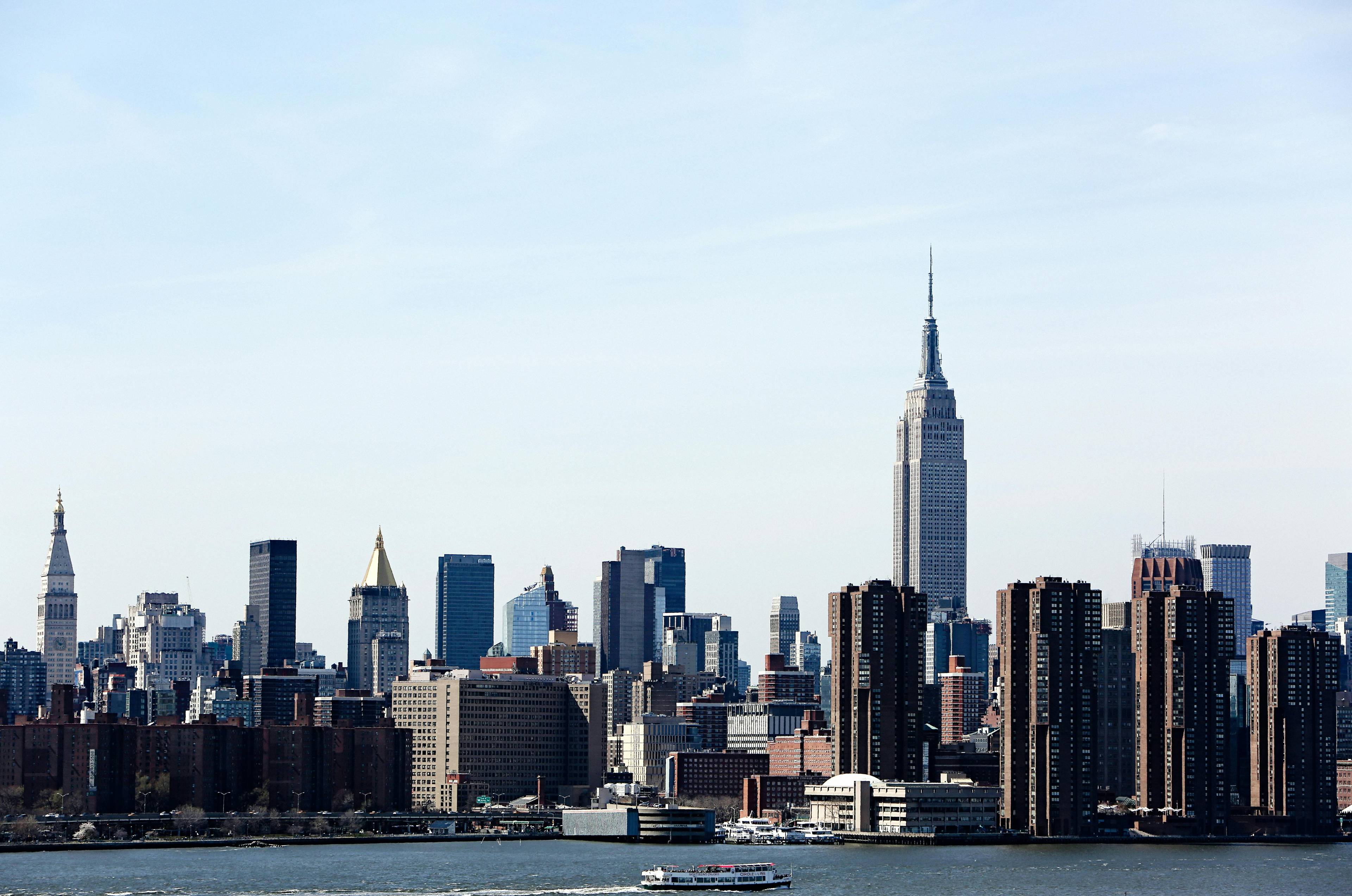
First settled before the Revolutionary War, the area of New Yok City has attracted residents since 1624. In 2024, more than 87,000 people decided to move and make New York City their new home. And with the city’s rich history, arts, opportunity and culinary scene, it is easy to understand why.
For those looking to move to New York, you should first examine the pros and cons of living there. Finding out what it costs to buy a home in and move to The Big Apple, as well as some affordable neighborhoods, is also a smart step before beginning the homebuying process.
After you have learned what living in the city is like, you will be ready to start searching for homes in New York City.
What are the pros and cons of living in New York City?
With over 8 million residents covering almost 500 square miles, New York City has a lot to offer residents and visitors. Of course, living in a city like this comes with its own pros and cons. Here are few benefits and aspects to consider that potential homebuyers in New York City might come across.
Benefits of NYC living
New York City is an incredibly diverse area where residents can find a place no matter what their backgrounds and cultures are. The city is a melting pot with people from all walks of life, whether you are looking to discover your community or enjoy the city’s many diverse cultures.
One way many people are able to enjoy the city’s diverse cultures is through the culinary scene. Not only can you still find $1 pizza slices in New York City, but the city itself is home to 72 restaurants with at least one Michelin star. The city is a mix of traditional, modern, international and local restaurants and cuisines. If you are looking for food scene closer connected to the city, you can always get New York style pizza, bagel, hot dog and cheesecake.
Regardless of your dreams or passions, New York City has many opportunities for most careers. New York has one of the largest concentrations of Fortune 500 headquarters in America, as well as a rich connection to the arts between shows on Broadway and countless art galleries and museums.
If museums are of interest to you, New York City has 83 museums, including the Metropolitan Museum of Art, which is the fourth largest museum in the world. These museums range from art to history with new exhibits always coming to town.
To take advantage of all this large city has to offer, you can utilize New York’s accessible public transportation. New York residents can save some money in the city by using the city’s public transportation without the need of a car and the expense that comes with owning one. Throughout 2024, there were almost 1.2 billion annual subway riders and 409 million annual bus riders in the city.
No matter the hour or your interests, residents can always find something to do in New York City, the City That Never Sleeps.
Aspects to think about
One of the first thing people consider when debating the move to New York City is the cost of living. Manhattan, Queens and Brooklyn are all among the most expensive places in the U.S. to live. To help offset the cost of living, New York is one of the top five cities for average annual salaries in America.
Most people already know how magical the city can look and feel around wintertime, but residents do have to endure some chilly weather in return. The average winter temperature in New York can drop to just above freezing. While the cold winters can be an adjustment, summers that allow walking around the city and parks can make it worthwhile.
With large crowds and heavy traffic, the city can feel hard to travel through at times. Crowds and traffic also add to light, noise and street pollution around the city.
Many of these are aspects you will live with when planning a move to most major metropolitan cities.
What does it cost to buy a home in New York City?
The median price of homes sold in New York City is $760,000 as of September 2025. This is up 2.4% from August of last year. Of course, prices will vary depending on the neighborhood you are looking to buy a home in. If you are looking for a home in the Hudson Yards neighborhood in 2025, you will have to pay more, as the median homes sold price there is $5.95 million.
Which areas and neighborhoods are more affordable?
The biggest city in America by population since 1790, New York City has more than 280 neighborhoods. With so many different areas, it can be hard to know where to look when thinking of making the move to New York City, especially if you are hoping to find affordable options. Home prices in NYC can reach all the way up to $195 million.
To help you get started on your search, here are a few affordable options as of 2025, along with some of the benefits for residents in these areas.
Briarwood: Located in Queens with access to parks and tree-lined streets, Briarwood has a diverse community with numerous restaurants and cuisines to match. The median home sale price in Briarwood is $349,500.
Inwood: One of the most affordable options in Manhattan, Inwood has a unique feeling in the city as zoning regulations restrict a building’s height to seven stories. This allows residents to have a close-knit community and suburban feel inside one of the biggest cities in America. The median home sale price in Inwood is $725,000.
Jackson Heights: Residents and visitors can enjoy the many parks and international cuisines around Jackson Heights. If you are trying to learn about the history of New York, Jackson Heights is home to The New York City Subway Museum, where visitors can see how subways have shaped the city. The median home sale price in Jackson Heights is $490,000.
East Flatbush: If you want a connection to the past, East Flatbush has many vintage shops along Flatbush Avenue as well as the restored King’s Theatre. The theater was originally a movie palace that operated from 1929 to 1977. The theater was renovated as of 2014 and is now a venue for live performances. The median home sale price in East Flatbush is $715,000.
Bay Ridge: An affordable neighborhood and home to the last lighthouse in Brooklyn, Bay Ridge is a family-friendly neighborhood with a picturesque waterfront setting. Along with its affordable condominiums, apartments and townhomes, Bay Ridge is known for historic homes you can see and live alongside. The median home sale price in Bay Ridge is $781,600.
What does it cost to move to NYC?
Like moving anywhere, the exact cost of moving to New York City will depend on where you plan to live and the loan you get.
The down payment amount you will need before moving into a home will depend on the mortgage you qualify for. Down payment options can range from 3% to 20% based on the home loan you qualify for. Connect with a lender to see which down payment options you could qualify for.
It is important to know that due to population density, USDA loans might not be eligible in New York City.
How can I start the homebuying process in New York City?
To start your homebuying process in New York City, get a mortgage pre-approval from a lender.
Pre-approvals can show potential homebuyers the loan amount they qualify for and what their monthly mortgage payments will look like. Knowing the amount you could borrow lets you budget and shop accordingly. Seeing your monthly mortgage payments can let you start to plan your financial future.
After you get your pre-approval, you will be ready to start your home search in New York City!
Applicant subject to credit and underwriting approval. Not all applicants will be approved for financing. Receipt of application does not represent an approval for financing or interest rate guarantee. Refinancing your mortgage may increase costs over the term of your loan. Restrictions may apply.
Rate is a private corporation organized under the laws of the State of Delaware. It has no affiliation with the US Department of Housing and Urban Development, the US Department of Veterans Affairs, the Nevada Department of Veterans Services, the US Department of Agriculture, or any other government agency. No compensation can be received for advising or assisting another person with a matter relating to veterans’ benefits except as authorized under Title 38 of the United States Code.