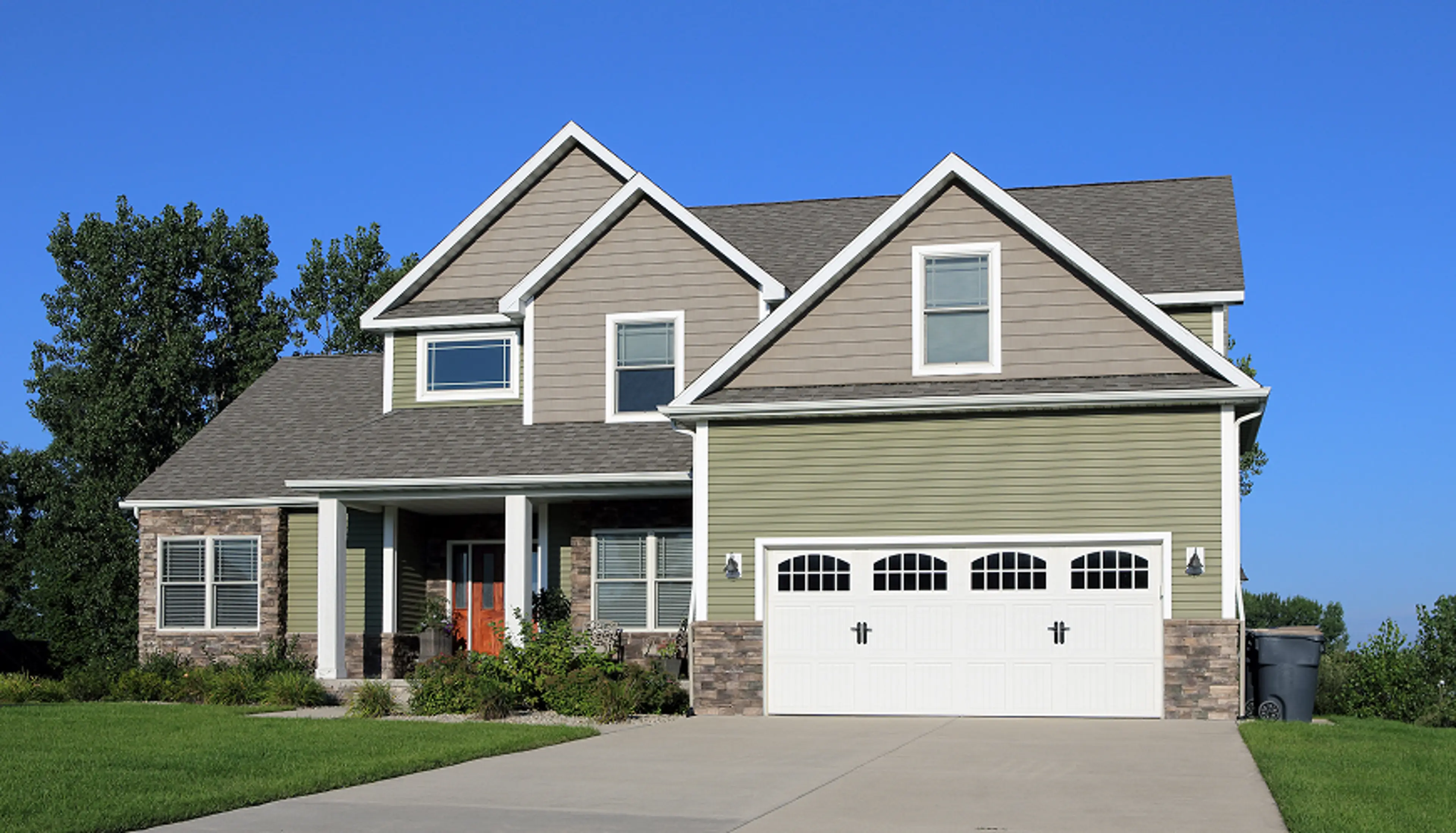
Have home prices in the U.S. finally started to cool off?

Homebuyers in many markets across the U.S. are noticing home prices dropping.
One major benefit of home prices finally cooling off in the U.S. is that it can make homeownership more affordable to many potential buyers.
When home prices fall, properties that may have been slightly out of your budget may fall into the amount you were hoping to spend on a home. Lower home prices could also mean borrowing less with a mortgage.
Are you looking to take advantage of home prices coming down in the U.S.? Start by completing a mortgage pre-approval today.
How much have home prices cooled off in the U.S.?
While we are seeing home prices drop across the U.S., not every market has seen home prices cooling off. Of the 300 largest metro area housing markets, 77 markets across the country have seen home prices fall at the end of May, compared to the end of May a year ago.
Which markets have seen home prices drop?
Here are seven markets in the U.S. that have seen the largest drops in home prices.
- Punta Gorda, Florida: 7.9% drop
- London, Kentucky: 7.1% drop
- Cape Coral, Florida: 6.1% drop
- Austin, Texas: 5.7% drop
- North Port, Florida: 5.3% drop
- Kahului, Hawaii: 4.5% drop
- Naples, Florida: 4.4% drop
.png?branch=prod_target&width=3840&quality=70&format=webp)
What is the current housing supply level?
According to the National Association of Realtors®, total housing inventory nationwide at the end of May was just above 1.5 million units. This was up 3.3% from April and up 0.6% from the same time the previous year.
Does the housing supply have room to grow?
Yes, the housing supply has room to grow.
With older homeowners passing on or moving to assisted living spaces, their homes will end up available for new homeowners. However, with home prices falling, many homeowners may choose to take their properties off the market or wait to add theirs to the market in hopes of getting a higher price when sold.
What do falling home prices mean for mortgage payments and affordability?
Falling home prices are great news for potential homebuyers looking to purchase a property with the help of a mortgage.
When home prices drop, the amount you will need to borrow with a mortgage to purchase a home will drop as well. Since homebuyers tend to need to borrow less in terms of mortgage amounts when home prices drop, the amount they will spend on paying down their mortgage principal each month will be less. This makes the whole mortgage process more affordable over the life of the loan.
How can I start the mortgage process today?
If you are looking to take advantage of current home prices with the help of a mortgage, you can start the process by getting pre-approved for a home loan.
Mortgage pre-approvals show potential homeowners the amount they could borrow with a home loan as well as the terms of their mortgage. This can be beneficial as homebuyers plan a budget and focus on purchasing a home within their price range. Pre-approvals can also be used to show sellers you are a serious buyer and have been approved for a mortgage.
During the pre-approval process, borrowers will be connected with a Loan Officers who can help them with their application and answer any questions they may have. These pre-approvals last around three months, giving buyers time to shop for a home.
Get started on the mortgage process and be prepared to shop for a home by completing your mortgage pre-approval application.
Applicant subject to credit and underwriting approval. Not all applicants will be approved for financing. Receipt of application does not represent an approval for financing or interest rate guarantee. Refinancing your mortgage may increase costs over the term of your loan. Restrictions may apply.
All information provided in this publication is for informational and educational purposes only, and in no way is any of the content contained herein to be construed as financial, investment, or legal advice or instruction. Rate does not guarantee the quality, accuracy, completeness or timelines of the information in this publication. While efforts are made to verify the information provided, the information should not be assumed to be error-free. Some information in the publication may have been provided by third parties and has not necessarily been verified by Rate. Rate, its affiliates and subsidiaries do not assume any liability for the information contained herein, be it direct, indirect, consequential, special, or exemplary, or other damages whatsoever and howsoever caused, arising out of or in connection with the use of this publication or in reliance on the information, including any personal or pecuniary loss, whether the action is in contract, tort (including negligence) or other tortious action. .png?branch=prod_target&width=3840&quality=70&format=webp)


.jpeg?branch=prod_target&width=3840&quality=70&format=webp)