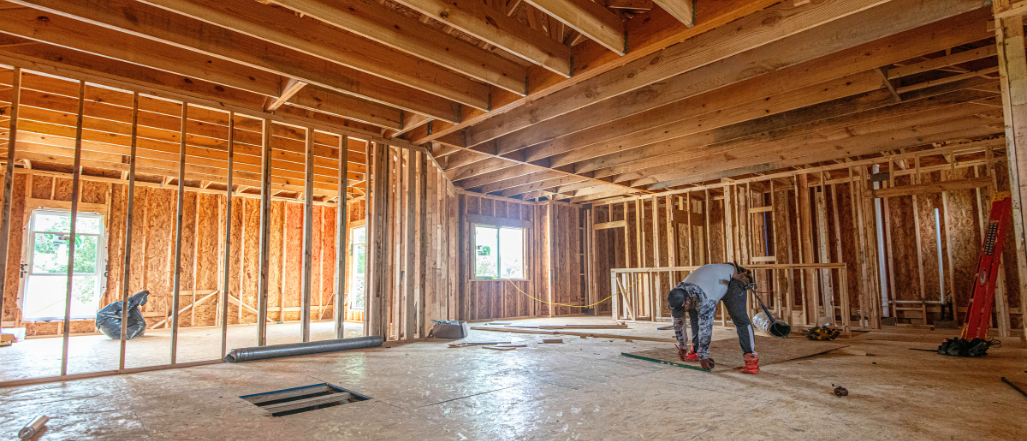
Construction work is inherently risky. Sharp tools, active job sites with a lot of activity, and the moving of heavy materials all introduce the chance of injuries. The potential for accidents isn’t limited to those working on the site, as third parties such as delivery people, real estate agents, and others are often there as well.
In addition to the potential for injury, there are also risks post-completion. Claims of faulty work product or materials that fail or degrade can open up your home-building business to litigation. To reduce these threats, developing a risk management program is an important step to take to protect your business.
Get a free consultation
What is risk management in home building?
Risk management assessments can help you identify what potential problems may arise over the course of your home-building projects. By identifying potential issues before they happen, you can develop strategies to address small problems before they become big ones, and you could even avoid problems entirely through effective risk management.
At its core, risk management involves three steps:
- Identifying existing risks
- Assessing the potential impact of each risk identified
- Developing plans to avoid or mitigate those risks
Why do home builders need to implement a risk management practice?
Instilling a risk management mindset and building a risk management practice are essential to home-building businesses for a number of reasons.
Construction is a complex process that involves a great deal of monetary and time investments, has planning and execution phases, and includes dealing with multiple contractors and subcontractors. And, construction sites carry a risk of injuries, the potential for damage to equipment, weather delays, and outdoor and exposed locations, which means theft is an ongoing concern.
A risk management practice is essential because if or when something goes wrong, an entire project timeline may be upended.
Predicting where things might go wrong and then developing plans that help to either avoid or mitigate the effects can mean the difference between finishing a project on time and having it become hopelessly delayed.
Delays aren’t just inconvenient—they can open you up to litigation if contract deadlines are missed.
What are some key considerations for risk management in home building?
Safety practices at the work site should be a top consideration. The more you can do to reduce the chance of injuries on the job, the better.
This starts by ensuring that all employees who work on the job site understand proper safety protocols and put them into practice. Mandatory use of hard hats, eye protection, and other PPE (personal protective equipment) is a given. Protecting workers from accidental falls, the correct use of ladders and scaffolding, and how to work safely around electricity are all standard components of safety training in construction work.
Subcontractors should also be well-versed in safety practices. But beyond that, it is essential to verify that your subcontractors carry adequate insurance coverage.
Beyond a strong on-site safety program, you should also develop clear timelines, contracts, and agreements. Delays and cost overruns can and do happen, particularly in periods of high demand. Unexpected materials shortages and gaps in the labor market are not uncommon. Make sure that any timelines and contracts allow for some flexibility, or you could end up in breach of contract for things that are outside of your control.
Know what is required in the jurisdictions in which you operate. Obtaining the right permits, following local ordinances, and complying with state and federal laws is not optional. Not familiarizing yourself with these requirements can lead to project delays and work stoppages.
Local ordinances can include a host of unforeseen mandates, such as historical preservation initiatives that require special permissions and prohibit the use of certain materials or designs, for example. Not knowing about these restrictions before starting a project could be a serious oversight.
Have the right legal documents and insurance coverages in place. Clear contracts spell out what a client can expect, from deposits to timelines to warranties on the work. And insurance coverage is there to protect you from financial losses if someone is injured on the job site, or if there are any questions about the quality of workmanship after the project is complete.
Engage experts when necessary. Saving money by doing things yourself is an attractive option, but know when professional expertise is needed. Writing legally binding contracts, conducting safety assessments, and reviewing permitted and legal requirements are all examples of times when it is best to call in those with professional training and expertise.
What types of insurance coverages meet the needs of home builders?
Since having the right insurance coverage is an important part of a risk management practice, it helps to have some examples of what types of policies may be necessary.
A Business Owner’s Policy (BOP) is a common form of insurance coverage that bundles together general liability, commercial building/property, and business income insurance. Combining them into a single policy typically will save money on coverage that most small- and mid-sized businesses need.
Builder’s Risk Insurance is a policy specifically designed to address some of the risks associated with construction. This coverage protects buildings that are under construction, such as houses that are not yet covered by a homeowner’s policy, since they are still being built. Weather damage and theft of materials or equipment on the job site are some of the risks covered.
Professional Liability Coverage is designed to protect your business from claims of faulty work product. This insurance is also sometimes called “Errors and Omissions” coverage, which is descriptive of what it protects. Mistakes do happen, and this coverage will help protect from financial losses associated with making things right.
Home builders could also need commercial vehicle coverage and pollution liability coverage. The first covers vehicles used for the business, and the second can help cover costs if there’s a spill or other issue that presents an environmental hazard on the job site.
If you have questions about what type of coverage your home building business needs to carry as part of a best practice for risk management, contact the experts at Rate Insurance. With access to multiple commercial insurers, they can help you find the right policy to help reduce your risks and protect your company.
Protect Your Business
Disclaimer:
All information provided in this publication is for informational and educational purposes only, and in no way is any of the content contained herein to be construed as financial, investment, or legal advice or instruction. Rate Insurance does not guarantee the quality, accuracy, completeness or timelines of the information in this publication. While efforts are made to verify the information provided, the information should not be assumed to be error free. Some information in the publication may have been provided by third parties and has not necessarily been verified by Rate Insurance. Rate Insurance, its affiliates and subsidiaries do not assume any liability for the information contained herein, be it direct, indirect, consequential, special, or exemplary, or other damages whatsoever and howsoever caused, arising out of or in connection with the use of this publication or in reliance on the information, including any personal or pecuniary loss, whether the action is in contract, tort (including negligence) or other tortious action.