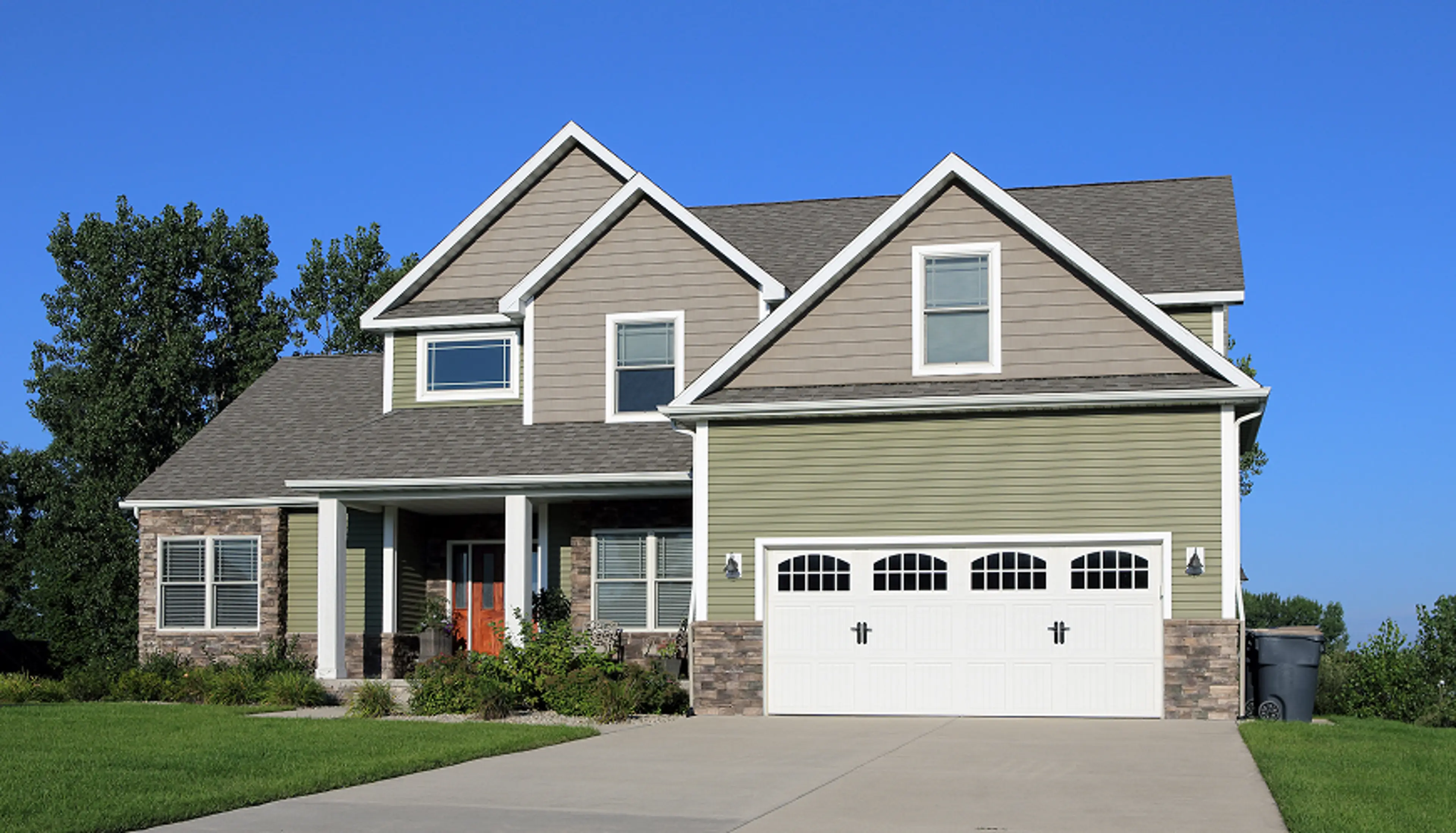
How to buy a home in Chicago
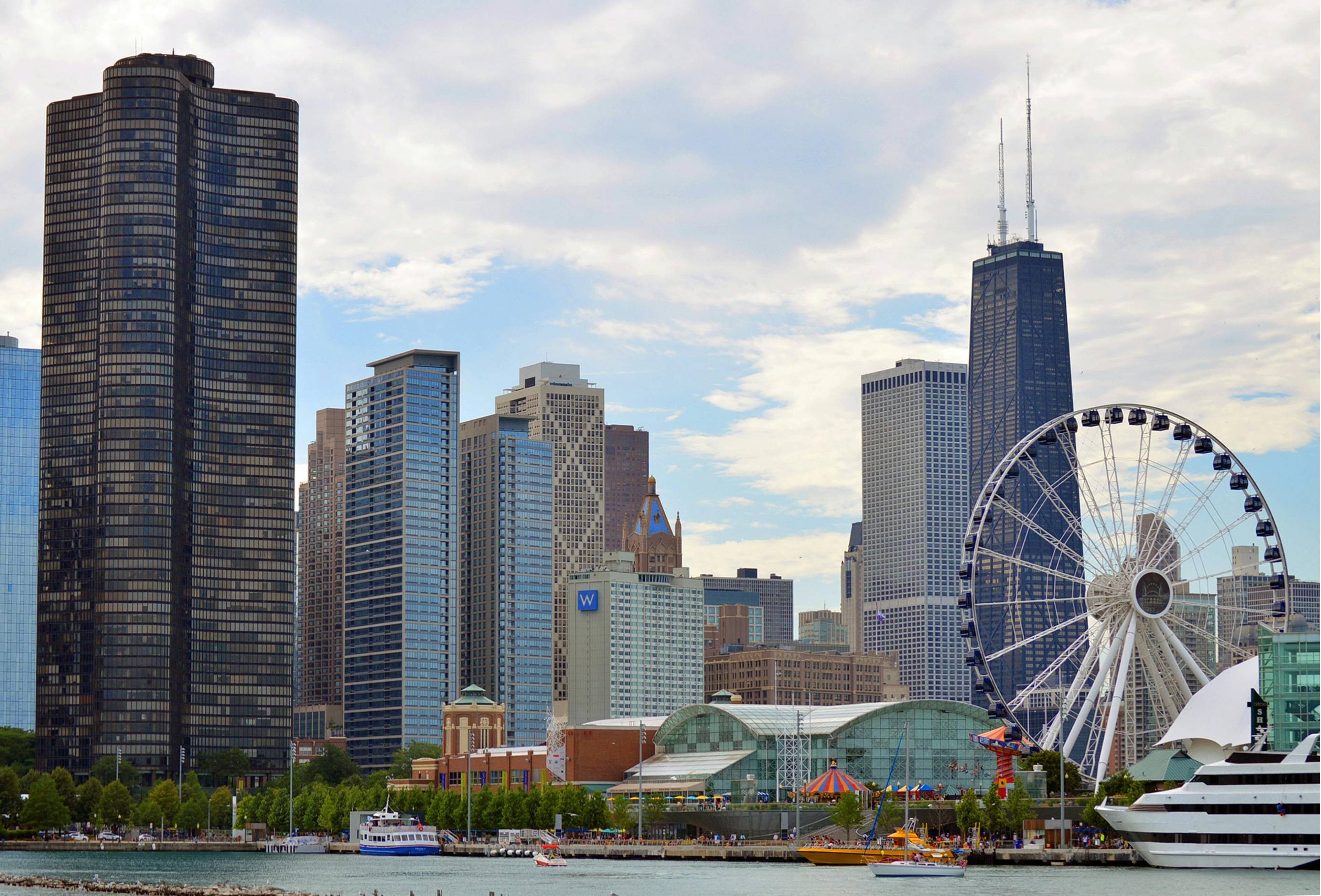
With almost 3 million residents, a strong job market and housing options more affordable than other major cities, Chicago is a great option for people looking to buy a home in a big city.
To prepare yourself for purchasing a home in Chicago you will want to examine the city’s pros and cons. Learn the cost of buying a home in the city and which neighborhoods are most affordable to ensure you are making the best decision. And, after this, you will be ready to find out the best way to start the homebuying process.
You can start exploring different neighborhoods by looking through properties for sale around Chicago.
What are the pros and cons of living in Chicago?
Living in a big city with a rich history like Chicago comes with a list of pros and cons depending on your needs. Here are a few benefits and aspects to consider when debating whether to live in the Windy City.
Benefits of Chicago living
Chicago is a lively city with something always happening no matter what your interests may be.
Between its unique hometown foods and international cuisines, Chicago is regularly listed in the top U.S. cities for food lovers. Between the hot dogs, pizza and popcorn unique to, and named after, the city as well as the 19 Michelin-starred restaurants, there are meals for every palate and taste in Chicago. And if you have a sweet tooth, Chicago is also the birthplace of the brownie.
Museum-goers have a number of options in Chicago showcasing a diverse range of cultures, history, science and art. If you prefer to spend your days learning and exploring a city, you can take one of the many walking or boat tours around the city that puts the Chicago’s history, architecture or food on display. Some of the specialty tours include famous film and TV or mob locations.
If you are a fan of sports and looking for a city that reflects that, Chicago is home to eight professional teams that allow you to root for Chicago no matter the season.
You don’t have to worry about not having a connection to nature in an urban environment when planning a move to Chicago. The city is home to more than 600 parks that cover over 8,800 acres, including 26 miles of lakefront beaches.
Whatever your interests are, there is something in Chicago for you!
Aspects to think about
The weather, congestion and living expenses in Chicago are some of the biggest concerns when considering a move there.
Everyone who has heard of Chicago knows of the weather (after all, it is the Windy City). Being on Lake Michigan is an advantage during the summers but can be a disadvantage during the winter. Wind and snow coming off the lake can make winters feel much harsher.
First-timers to the city shouldn’t be surprised if they end up sitting in their cars for long periods during rush hour. Chicago is one of the most congested cities in America. Though, it doesn’t take long for newcomers to learn traffic patterns in the city and how to avoid them, especially by taking advantage of the city’s trains and available public transi. However, it can be an adjustment fro newcomers.
While it is not the most expensive city in the U.S., the cost of living in Chicago is higher than 75% of cities in America. The high price of living in the city can make some people think twice when deciding whether moving to Chicago is for them.
What does it cost to buy a home in Chicago?
As of August 2025, the median selling price of home in Chicago is $385,000. This is up 6.1% from the same time last year. Of course, this price will vary based on where you look for a home in the city. The most expensive property currently listed in Chicago is $18.5 million.
Closing costs, which aren’t included in the sale price of a home, are currently around 2% to 5% of the home’s price. Appraisal fee, processing fee and transfer taxes are included in closing costs.
Which areas and neighborhoods are more affordable?
With 77 official neighborhoods in Chicago, finding the best area for your budget can be challenging. Here are a few of the most affordable places to buy a home in the city as of 2025.
Uptown: With Montrose Beach and available public transit, residents of Uptown can spend a day at the lake or explore the city with ease. The median home sale price in Uptown is $300,000.
Rogers Park: A 20-minute train ride from the Loop, located on the waterfront and encompassing the Loyola University campus, Rogers Park is a diverse neighborhood with over 40 different languages spoken by residents. The median home sale price in Rogers Park is $315,000.
Irving Park: A quiet neighborhood with tress lining its residential streets and sense of community, Irving Park has the feeling of living in the suburbs while staying in the city. The median home sale price in Irving Park is $405,000.
Pilsen: The heart of Chicago’s Mexican community, Pilsen residents can enjoy vibrant murals, trendy bars and the National Museum of Mexican Art. Forbes once listed Pilsen as one of the coolest neighborhoods in the world. The median home sale price in Pilsen is $542,400.
Bridgeport: Home of Rate Field and the Chicago White Sox, Bridgeport is a walkable neighborhood with a growing art scene and a hidden nature gem, Palmisano Park. The median home sale price in Bridgeport is $550,000.
While these are some of the most affordable areas in Chicago, they are not the only ones. Real estate agents could show you homes in other neighborhoods within your price range.
What does it cost to move to Chicago?
The cost of moving to Chicago depends on where you look to live and the type of mortgage you get.
Some areas will cost more than others. A home downtown in the Loop will add more to your moving cost than places a little outside the city center, like Lakeview.
Depending on the mortgage you qualify for, your down payment options may vary. Down payment options can range from 3% to 20% based on the home loan you qualify for. Talk with a trusted lender to see which loan and down payment option you could qualify for.
It is important to note that due to high population density, USDA loans might not be eligible in Chicago.
How can I start the homebuying process in Chicago?
The first thing you will want to do when looking to buy a home in Chicago is to get a mortgage pre-approval.
Mortgage pre-approvals can show you the amount of home loan you qualify for and let you know the mortgage rate you could get. This can help you plan a monthly budget and allow you to look in areas that match your price range.
Researching and finding the best area for you should be the next thing you do. When looking at homes in Chicago, make sure you aren’t just looking at prices but also that the area meets your needs. These needs can include potential homes being in certain school districts, nearby shopping centers or having access to public parks.
View available properties and begin your home buying process today!
Applicant subject to credit and underwriting approval. Not all applicants will be approved for financing. Receipt of application does not represent an approval for financing or interest rate guarantee. Refinancing your mortgage may increase costs over the term of your loan. Restrictions may apply.
Rate is a private corporation organized under the laws of the State of Delaware. It has no affiliation with the US Department of Housing and Urban Development, the US Department of Veterans Affairs, the Nevada Department of Veterans Services, the US Department of Agriculture, or any other government agency. No compensation can be received for advising or assisting another person with a matter relating to veterans’ benefits except as authorized under Title 38 of the United States Code.

.jpeg?branch=prod_target&width=3840&quality=70&format=webp)